
Sometimes Wall Street doesn’t need a miracle. Sometimes it just needs a company to stop doing dumb things.
That’s what’s happening today with Hain Celestial Group (NASDAQ: HAIN).
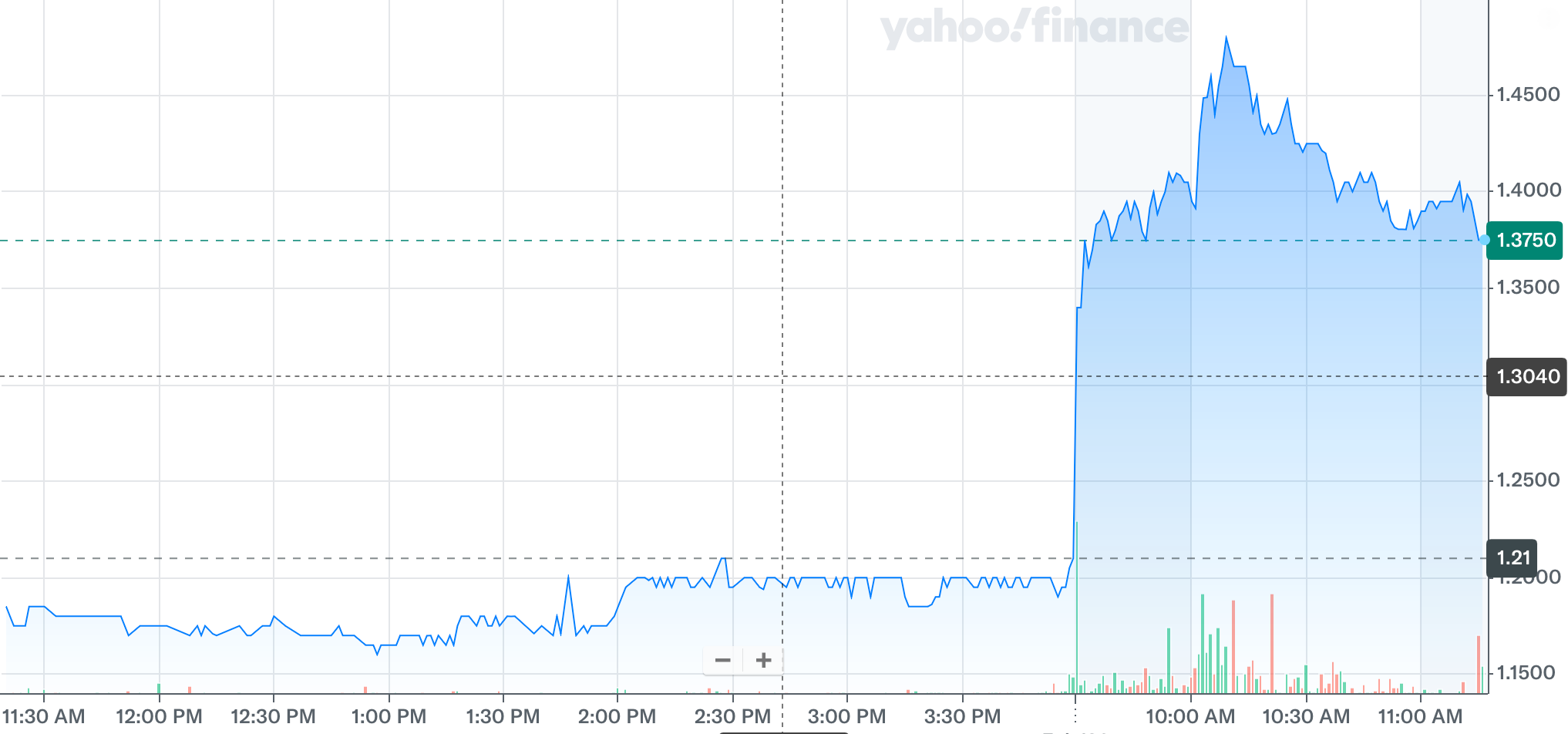
After years of underperformance, restructuring promises, and investor frustration, Hain’s stock is sharply higher today, and for once, it’s not because of vague “turnaround optimism” or a sell-side analyst feeling generous.
It’s up because management finally did something that made sense: it sold a business that wasn’t working.
We learned this morning that Hain is selling its North American snacks business for $115 million in cash. That unit included well-known brands such as Garden Veggie Snacks, Terra chips, and Garden of Eatin’
While these were certainly popular brands, they weren’t making enough money.
Hain’s snacks segment represented roughly 22% of Hain’s net sales, but contributed little to no EBITDA. In other words, it generated revenue, but not meaningful profit. And that’s the kind of business Wall Street hates:
- Capital-intensive
- Margin-weak
- Management-distracting
By selling this unit, Hain immediately raises cash, simplifies its business, improves its margin profile and reduces debt. This is why the stock is being rewarded today.
Indeed, this is a classic case where shrinking the company just makes the stock more attractive.
Truth is, Wall Street is not sentimental. It doesn’t care how many brands you own. It cares about: cash flow, margins, and balance sheet risk.
By divesting snacks, Hain is sharpening its focus on higher-margin, more defensible categories, including tea, yogurt, dairy alternatives and nutrition products for babies and kids. These are the categories that make Hain relevant as they have more pricing power, better customer loyalty and less brutal promotional pressure.
Simply put: better economics.
To be sure, this does not make Hain an overnight hyper-growth company. This is really just about risk reduction.
The market has been punishing Hain for years because margins were inconsistent, execution was sloppy, and the portfolio was bloated. But today, the market is responding to a company that is finally taking the necessary steps to clean up its mess. And that was definitely enough to give the stock a double-digit boost.
While Hain still carries with it a fair amount of risk, this latest move shows that management finally seems to be making a call that should’ve been made a long time ago. And for a stock that’s down 96% over the past five years, this is not trivial.




Publication Date
February 2, 2026
Category
Healthcare / Biotech

Jeff Siegel
Senior Content Contributor