Solaris Energy Infrastructure (NYSE: SEI) is getting another boost from the AI power boom.
Shares jumped this morning after the company sharply raised its adjusted EBITDA guidance for the second half of 2026 and provided an even stronger initial forecast for early 2027.
Solaris now expects third-quarter adjusted EBITDA of $110 million to $130 million, up from its previous forecast of $90 million to $105 million. At the midpoint, that's a 23% increase.
The fourth-quarter revision was even bigger.
Solaris increased its forecast to $145 million to $180 million, up from its previous guidance of $100 million to $120 million. That's a 48% increase at the midpoint.
And for the first quarter of 2027, Solaris expects adjusted EBITDA of $200 million to $240 million.
That's a pretty dramatic ramp.
The timing couldn’t be better
If you’re unfamiliar, Solaris provides power generation and distribution infrastructure for data centers, energy companies, and other commercial and industrial customers. It can supply the equipment needed to generate electricity on-site, distribute that electricity through a facility, install and commission the equipment, and then provide ongoing operations and maintenance.
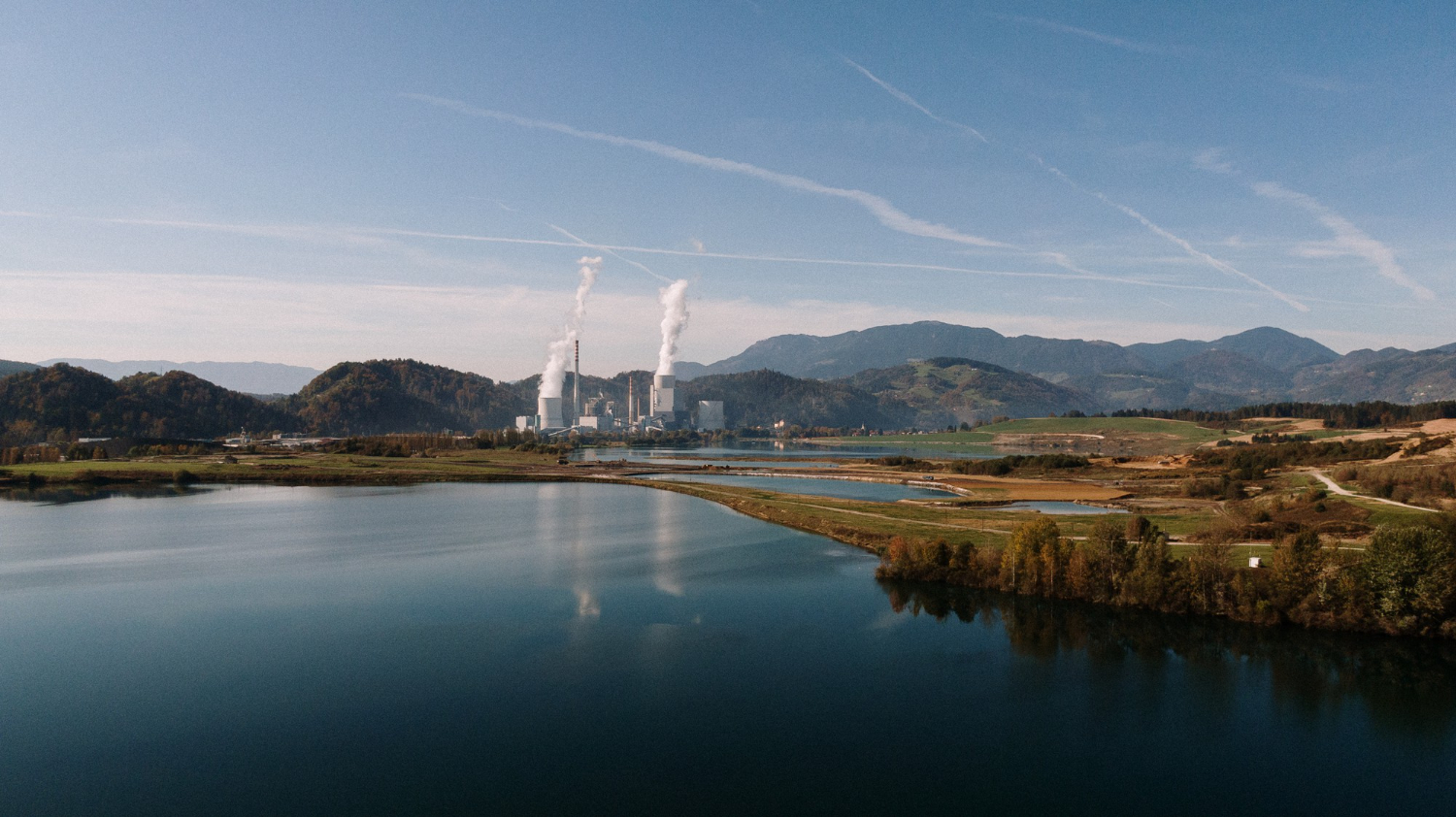
Think of Solaris as one of the companies helping solve a growing problem for the AI industry: data centers need enormous amounts of electricity, and the grid can't always provide it quickly enough.
A new data center may have the land, permits, servers, and customers lined up but still face years of waiting for a utility connection or additional grid capacity. Solaris can provide rapidly deployable power infrastructure that allows some of those facilities to get electricity much faster. The company says its systems can provide power up to utility scale in weeks rather than years.
Solaris wasn't always primarily an AI infrastructure story.
The company also operates a logistics business that provides specialized equipment and services used at oil and natural gas well sites. But power infrastructure has increasingly become the growth engine. Its Solaris Power Solutions segment provides generation, power controls, and distribution equipment to data centers as well as energy and industrial customers.
And that business appears to be growing faster than management expected.
Solaris said the latest guidance increase reflects stronger contributions from its core power-services business as well as better-than-expected results from recently acquired operations.
The timing couldn't be much better.
Electricity consumption from data centers is projected to nearly double globally by 2030, while grid constraints and lengthy interconnection queues are making onsite power increasingly attractive.
That's creating an entirely new group of beneficiaries from the AI boom.
Nvidia sells the chips. Companies such as Vertiv provide cooling and electrical infrastructure. Solaris is increasingly focused on another bottleneck: getting enough electricity to the data center in the first place.
Indeed, the timing couldn’t be better for Solaris.



Publication Date
September 8, 2026
Category
Energy

Jeff Siegel
Senior Content Contributor