

Renewable energy is on track to pass natural gas as the largest source of installed generating capacity in the U.S. as soon as next summer.
According to the latest data from the U.S. Energy Information Administration (EIA), renewable energy represented 34.3% of U.S. utility-scale generating capacity at the end of June. By June 2027, that's expected to reach 37.1%.
And most of that growth is coming from solar.
The EIA expects another 43.6 gigawatts of utility-scale solar capacity to be added over the next 12 months, along with 10.2 gigawatts of wind. Throw in an estimated 6 gigawatts or more of new small-scale solar, and total renewable capacity could reach roughly 546 gigawatts by next summer.
Natural gas, meanwhile, would be sitting at roughly 518 gigawatts.
That's a pretty significant milestone.
But for investors, the more interesting number is 82.9 gigawatts.
This is where the money is going
Renewables and battery storage could add nearly 83 gigawatts of generating and storage capacity over the next year when small-scale solar is included. Meanwhile, total fossil-fuel and nuclear capacity is projected to decline by roughly 3.1 gigawatts.
Battery storage alone is expected to add another 22.8 gigawatts by next July, increasing installed battery capacity by more than 44%.
This isn't some 2040 projection.
This is infrastructure that's being built now.
And that's where I think investors should focus.
NextEra Energy (NYSE: NEE), for instance, remains one of the largest renewable-energy developers in the country. First Solar (NASDAQ: FSLR) gives investors more direct exposure to utility-scale solar manufacturing.
Then there's GE Vernova (NYSE: GEV), which gives investors exposure not only to wind but also to the grid equipment required to connect all this new generation.
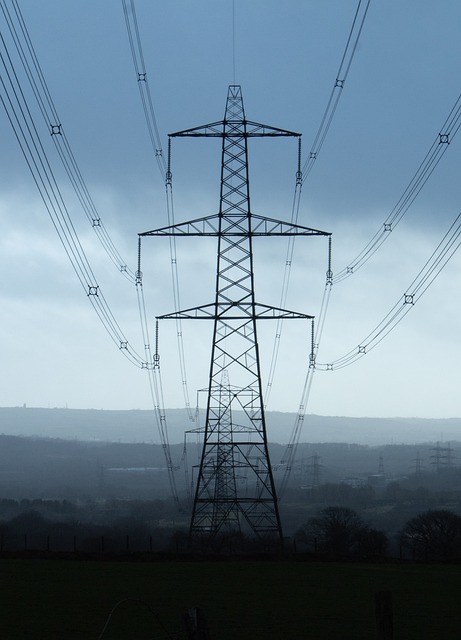
That's particularly important because adding another 80-plus gigawatts of renewable energy and storage doesn't mean much if the grid can't handle it.
Don't write off natural gas
None of this means natural gas is disappearing.
In fact, EIA data show U.S. natural-gas generating capacity increased by roughly 7.5 gigawatts during the 12 months ended June 2026.
And natural gas remains extremely important because installed capacity isn't the same thing as electricity generation. Solar and wind don't operate continuously, while natural-gas plants can ramp up when electricity demand rises, or renewable generation falls.
That's why I wouldn't look at this as renewables replacing natural gas.
I'd look at it as evidence of where the next massive wave of energy infrastructure spending is going.
The EIA expects developers to add a record 86 gigawatts of utility-scale generating capacity in 2026 alone. Solar accounts for 51% of that total, battery storage another 28%, and wind 14%. Natural gas accounts for just 6.3 gigawatts.
To be sure, renewable energy doesn't have to eliminate natural gas for investors to make money. It just has to keep taking a bigger piece of America's rapidly expanding electricity infrastructure. And right now, that's exactly what's happening.





Publication Date
August 31, 2026
Category
Energy

Jeff Siegel
Senior Content Contributor