Tomorrow morning will not be about earnings, AI, or the Fed.
It will be about geopolitical risk and how aggressively markets choose to price it.
Following the strike on Iran, traders around the world are recalibrating risk in real time. And when markets reopen in the morning, you should expect an opening driven by headlines, not fundamentals.
First and foremost, oil will set the tone.
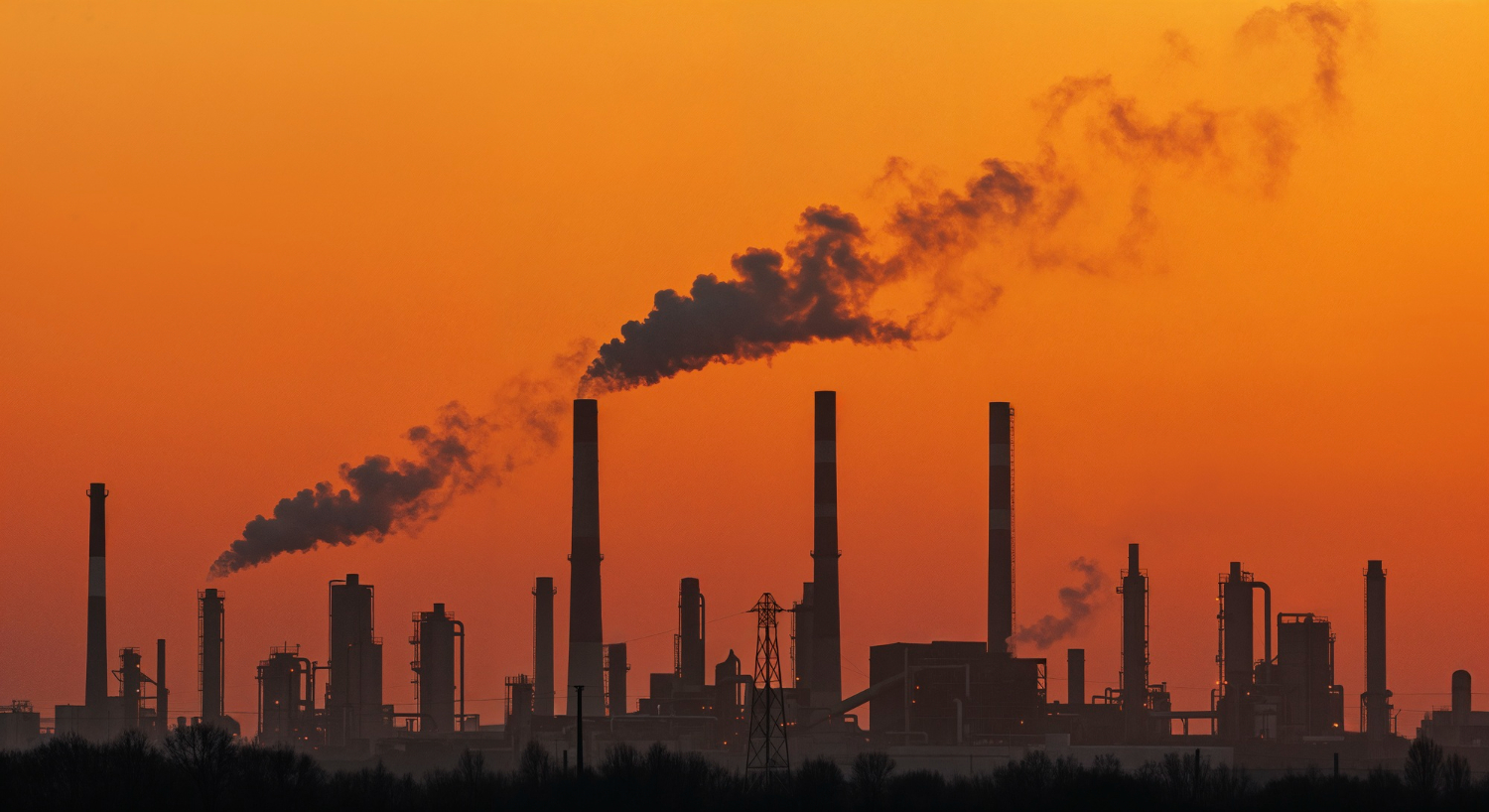
Oil is always the fastest transmission channel when Middle East tensions escalate. If traders believe supply routes could be disrupted over the long haul, especially around the Strait of Hormuz, crude futures will move hard and fast.
At the open, expect a spike in oil prices with inflation concerns creeping back into the narrative.
Broader markets will be pressured, too, with particular weight on transportation, airlines, and consumer-sensitive stocks.
Also consider that when military action hits the headlines, institutional investors don’t ask questions first. They just reduce exposure. And that typically means S&P futures will open lower, the Nasdaq will be under pressure (higher beta, more volatility), and defensive sectors will outperform.
This doesn’t necessarily mean a crash. It just means caution. Big funds will trim risk until they better understand escalation risk. The first 30 to 60 minutes will likely be emotional, which means volatility will be elevated.
Meanwhile, safe havens will attract attention. This means you’ll likely see gold move higher, treasury yields lower, and the U.S. dollar strengthen. There’s nothing particularly new about this. That is just textbook capital preservation behavior.
When uncertainty rises, money hides first and asks questions later.
Of course, what matters most is whether or not we’ll see escalation or containment.
Does this event look like a one-off strike or the beginning of something broader?
Markets can absorb a single event, but they struggle with open-ended escalation.
Tomorrow morning’s price action will be the market’s first vote on that question.
If oil spikes but stabilizes and equities dip but find buyers, that tells you traders believe the situation is containable. If oil keeps ripping and stocks keep sliding into the close, that suggests the market is pricing extended instability. As of right now, I expect to see the latter.
Either way, tomorrow we’ll definitely see a repricing of risk. And that’ll give us a bit more clarity on what your next move should be.
Stay tuned!



Publication Date
March 1, 2026
Category
Industrials

Jeff Siegel
Senior Content Contributor