
While the U.S. continues to lag in electric vehicle adoption, China keeps upping the ante.
This time with Chinese EV player BYD (OTCBB: BYDDY).
BYD just rolled out a new electric SUV that can charge in as little as five minutes. And the price? Around $22,000. That combination of speed and price isn’t just impressive. It’s disruptive.
21,000 pre-orders in 21 days
Two of the biggest obstacles to EV adoption have been price and charging time. BYD just removed those obstacles with its latest offering, the Song Ultra EV.
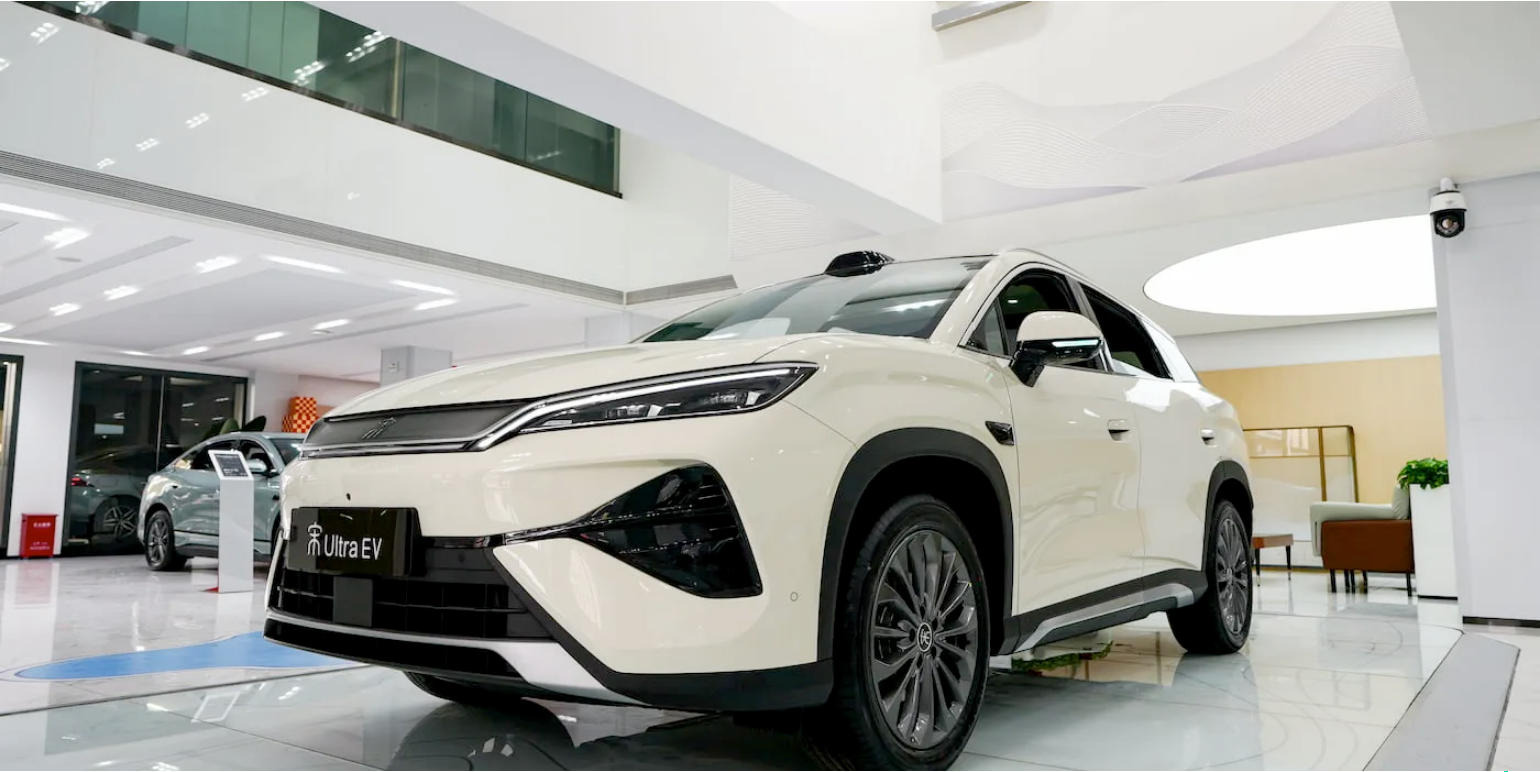
Using a new “flash charging” system, these cars can charge from 10% to 70% in about 5 minutes, bringing EV charging closer to the experience of filling up a gas tank.
And it’s not limited to a high-end model. That’s the key.
This technology is showing up in a mass-market vehicle priced well below most Western EVs. We’re talking about accessibility at scale. BYD isn’t building a niche product for early adopters. It’s building a vehicle designed to move volume, and fast.
In just 20 days, the company has already seen more than 21,000 pre-orders. That’s not trivial.
If BYD can deliver gas-like charging times at an entry-level price, the company will completely reset expectations for the entire EV market.
Certainly, the news of the Song Ultra EV is being well received, particularly after the company announced that it posted its first annual profit decline in four years. The market reacted negatively to that news, but the stock quickly rebounded.
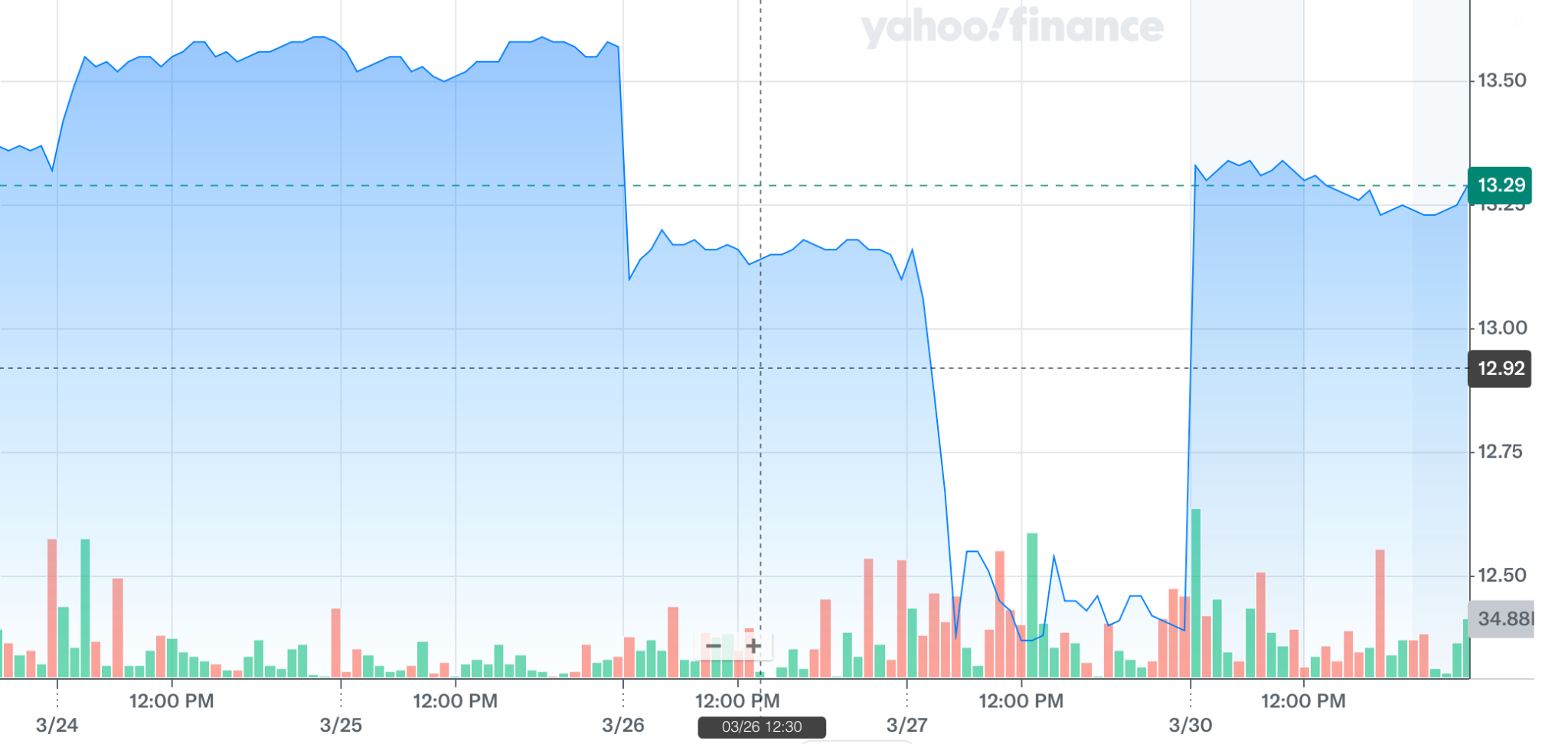
This rebound was partly the result of the company signaling that its overseas sales could beat prior targets by as much as 15%, with exports potentially hitting, or even exceeding, 1.5 million vehicles.
BYD is no longer a China story
For years, BYD has been a China story. But now it’s becoming a global one.
It’s no secret that domestic demand is slowing and margins are under pressure from price wars. But instead of pulling back, BYD is pushing outward.
Overseas sales are already accelerating fast enough that exports could soon make up a meaningful share of total volume, with management openly talking about international markets becoming a much larger piece of the business over time.
And here’s where it gets interesting.
BYD isn’t just exporting cars. It’s building infrastructure around those exports:
- Expanding dealer networks (most recently in Canada)
- Investing in localized production in Europe and Southeast Asia
- Positioning itself to bypass trade barriers over time
This is a sound strategy that will insulate the company from weakness in the Chinese market. And if BYD can deliver a 15% upside to export targets, it confirms that the company’s global strategy is working - and accelerating.




Publication Date
March 31, 2026
Category
Industrials

Jeff Siegel
Senior Content Contributor