Big Tech’s rush to build out AI data centers isn’t just a cloud story anymore. It’s also an electricity story.
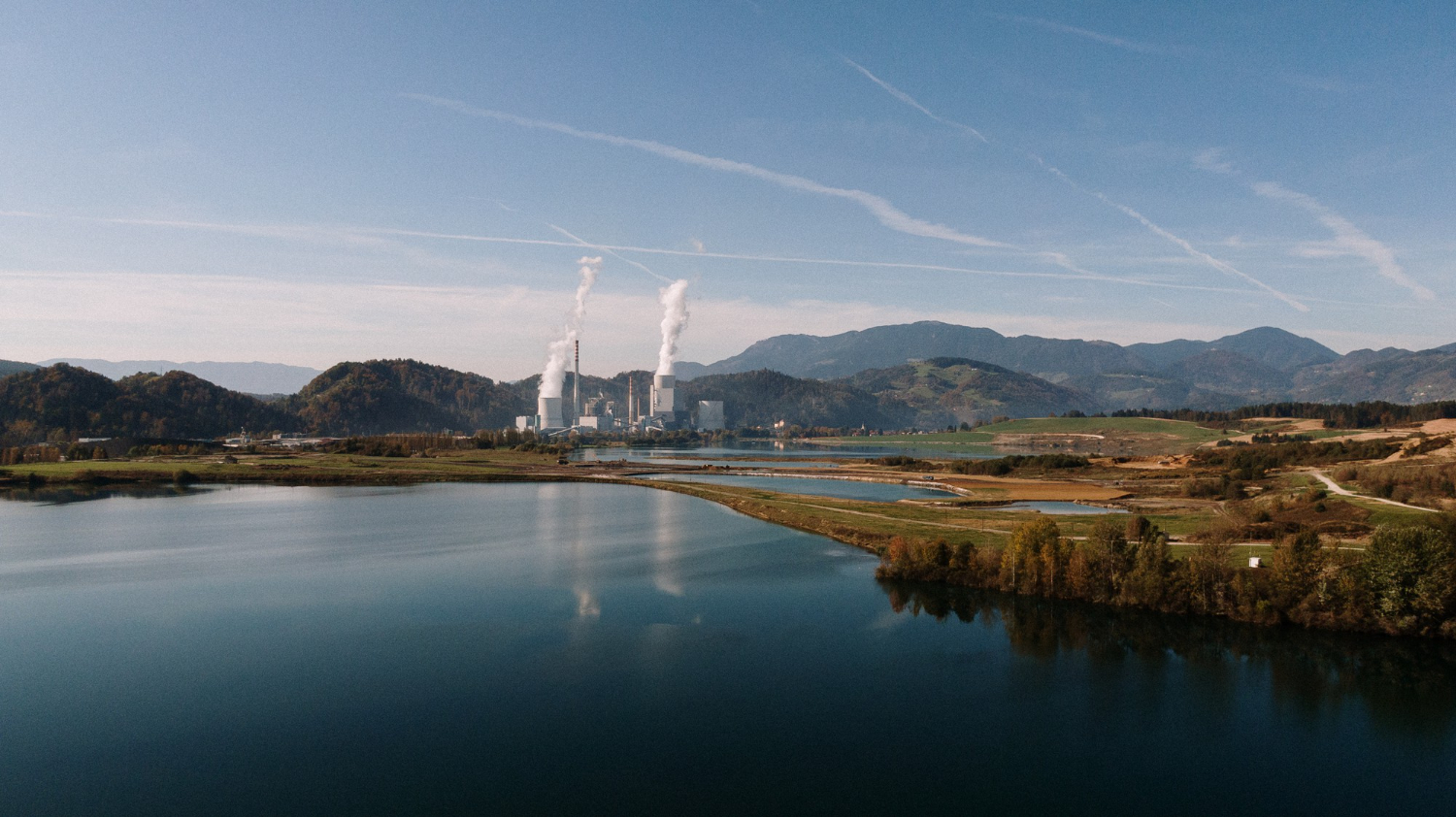
You see, these facilities run 24/7 and consume enormous amounts of power to crunch AI workloads and keep servers cool. That surge in demand has put pressure on regional grids, driven up wholesale electricity costs in certain states, and prompted a fresh round of questions from lawmakers about who should pay for grid upgrades and rising utility bills.
This isn’t just policy noise, by the way. It’s a structural shift in how IT infrastructure and energy markets interact. As states redraw rate designs and utilities seek cost recovery, the economics of AI are increasingly tied to power generation and distribution, and that’s creating clear winners for investors.
Tapping the Winners
On the traditional utility front, companies such as NextEra Energy (NYSE: NEE), Constellation Energy (NASDAQ: CEG), and Dominion Energy (NYSE: D) stand to benefit from structurally higher electricity demand.
Data center REITs such as Digital Realty (NYSE: DLR) and Equinix (NASDAQ: EQIX) continue to see leasing demand strengthen as enterprises and cloud providers secure space for compute capacity.
Beyond traditional grid players, infrastructure partners are carving out niches in the AI-energy supply chain. Vertiv (NYSE: VRT) provides critical cooling and power distribution systems that help data centers run efficiently, while Bloom Energy (NYSE: BE) and similar firms are tapping the appetite for on-site power generation and resiliency solutions that reduce dependence on stressed grids.
And then there’s the emerging frontier: off-planet infrastructure and next-generation energy systems.
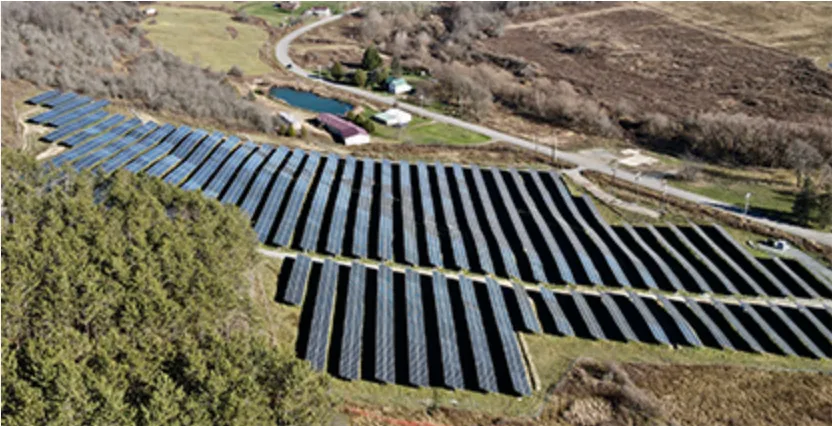
Take PowerBank Corporation (NASDAQ: SUUN), for instance, which is positioning itself at the intersection of solar energy and digital infrastructure – not just on Earth, but with an eye toward space-based compute and energy systems that could power future data infrastructure where terrestrial limits begin to bite.
If AI workloads eventually tap into orbital power or decentralized energy frameworks, early movers in advanced solar and digital infrastructure could have outsized optionality.
As utilities adjust rate structures, infrastructure providers innovate in cooling and distributed generation, and next-wave players explore untapped domains, you need to broaden your lens. Power demand is rising, but so too is the ecosystem of companies that enable and benefit from it.
No matter how policymakers approach this, one thing is certain: energy is the new currency. So invest accordingly.



Publication Date
January 12, 2026
Category
Energy

Jeff Siegel
Senior Content Contributor