
Something important just happened in the solar EV space, and most people will dismiss it as a gimmick.
That would be a mistake.\
According to recent comments from Aptera Motors’ co-CEO, the company’s prototype solar vehicle was generating more than twice the energy of his home rooftop solar system early in the morning: roughly 300+ watts versus 136 watts at the same time.
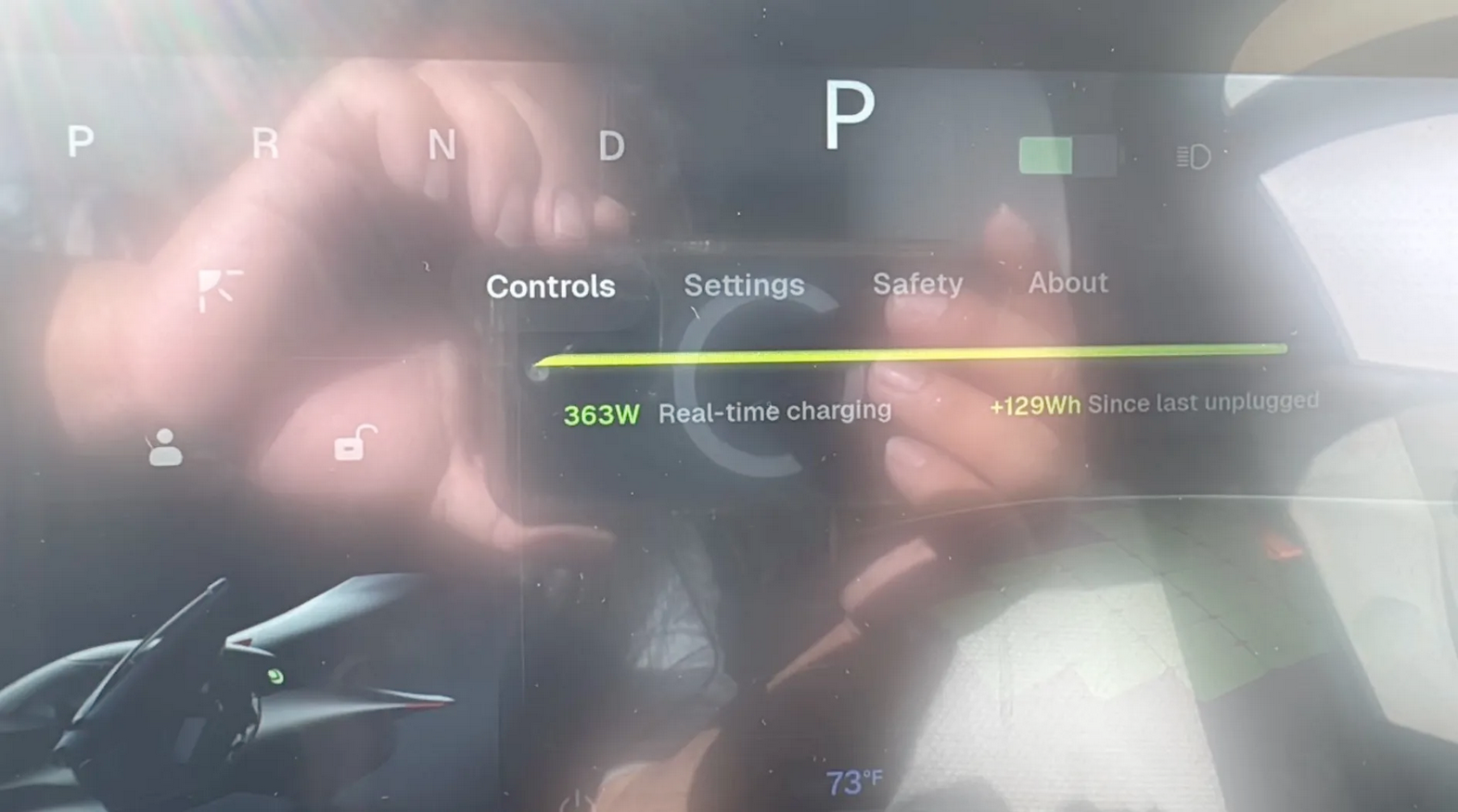
On the surface, that may just sound like a clever anecdote. But it’s much more. It’s actually a preview of where energy and transportation are heading.
This isn’t about peak output, it’s about efficiency
Critics may point out that rooftop solar still wins on total daily production. But that’s missing the point.
What Aptera (NASDAQ: SEV) is demonstrating is energy optimization, not just generation.
Traditional rooftop systems are fixed at angles and orientations, and are often partially shaded. They’re essentially designed for midday peak output.
Aptera’s vehicle flips that model.
Its solar cells are spread across the body (hood, roof, and rear) so that at almost any sun angle, some portion of the car is optimally positioned to capture energy.
That’s why it can outperform a home system at 8 a.m., when the sun is low, and rooftops are inefficient.
This isn’t trivial because the real goal isn’t maximizing watts. It’s minimizing dependence on the grid.
Aptera’s system is designed to add up to 40 miles of range per day from sunlight alone in ideal conditions.
Think about that for a second.
The average U.S. commuter drives less than that daily.
Which means a large portion of drivers could theoretically never plug in at all.
That’s not incremental improvement. That’s a structural shift.
The bigger idea investors should focus on
This isn’t just a car story. It’s an energy story.
For decades, the model has been: generate energy → send it to the grid → consume it elsewhere.
Aptera is pushing toward generating and consuming energy in the same place
That’s a very different system.
It removes:
- Charging infrastructure dependence
- Peak demand pressure on the grid
- Energy transmission losses
And it introduces something new: mobility that is partially self-powered.
To be sure, Aptera is still an early contender. The company still hasn’t reached full-scale production, and it’s still raising capital.
So this is not a near-term execution story. But it is a concept validation story.
If Aptera proves that vehicles can meaningfully self-charge and daily driving can be partially or fully offset by solar, then the implications are significant:
- Reduced reliance on charging networks
- Lower total cost of ownership for EVs
- New demand dynamics for utilities and infrastructure
And potentially, a shift in how we think about energy consumption entirely.


Publication Date
April 15, 2026
Category
Energy

Jeff Siegel
Senior Content Contributor