
Einride AB, the Swedish electric and autonomous trucking platform, just cleared SEC review on its planned merger with Legato Merger Corp. III.
The shareholder vote is set for June 4, and assuming it passes, Einride will list on Nasdaq under the ticker ENRD at a pre-money equity valuation of $1.35 billion, with roughly $300 million in gross proceeds — including a $113 million PIPE the companies say was oversubscribed.
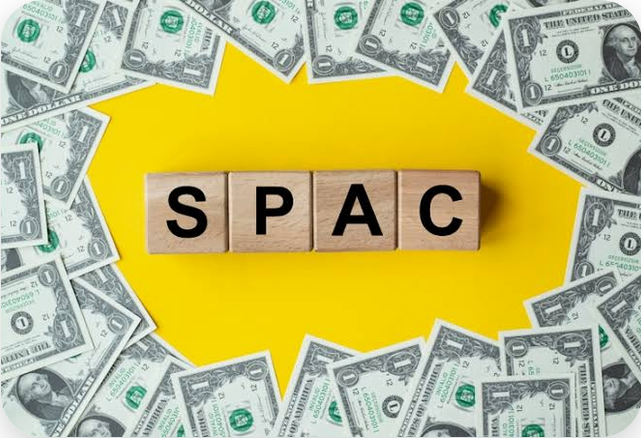
To be sure, that's a single deal. But it's the kind of deal that tells you what the post-2021 SPAC market actually looks like now.
What Changed Since the 2021 Peak
Some uncomfortable numbers first:
* In 2021, 613 SPACs raised roughly $144.5 billion — accounting for 64% of all U.S. IPOs
* From 2021 to 2023, cumulative de-SPAC value destruction reached hundreds of billions of dollars
* More than 90% of post-merger SPACs still trade below the $10 IPO price
* Average loss across de-SPAC companies: 67%
* High-profile bankruptcies include WeWork, Nikola, and 23andMe
Put simply: the SPAC class of 2021 was, on average, a disaster.
The market that came back in 2024–2025 is genuinely different, and the Einride deal sits squarely inside the new template.
The Numbers Behind the Quiet Comeback
In 2025, 138 SPAC IPOs raised $25.8 billion, nearly 3x the $8.7 billion raised in 2024, though still far below the 2021 peak. SPACs accounted for 40% of U.S. IPO deal count last year, up from 27% the year before.
The pace held in 2026. Through the first two months, 50 SPACs raised $10 billion — versus 24 traditional IPOs raising $7 billion. In Q1 alone, 62 SPACs went public, raising a cumulative $13.2 billion.
Worth noting: 78% of Q1 2025 SPAC IPOs came from serial sponsors — established teams with prior deal experience. That's the opposite of the 2021 era, when celebrity sponsors and first-time vehicles dominated the headlines.
What Today's Targets Actually Look Like
Indeed, the bigger shift isn't on the sponsor side. It's on the target side.
The companies going public via SPAC today have to show what the 2021 class often didn't: proven cash flow or contracted revenue, operating infrastructure, and a path to scale that doesn't depend on a hockey-stick projection slide.
Einride fits that profile. The company has:
* One of the larger commercial electric heavy-duty fleets currently operating
* Active freight corridors across North America, Europe, and the Middle East
* An integrated platform that includes electric vehicles, AI logistics software, charging infrastructure, and autonomous operations
* Enterprise customers using the platform commercially today, not as pilot projects
That's a far cry from the "we'll have a self-driving truck by 2024" pitch decks of 2021.
Make no mistake: that's also the new minimum standard, not a competitive moat.
What Investors Should Pay Attention To
For investors trying to figure out which post-SPAC names are worth a second look, the new rules of thumb come straight out of this cycle's reset:
* Serial sponsor or first-timer? Serial sponsors now lead more than 60% of new deals
* Real operations or projection-driven? PIPE oversubscription is a useful (not perfect) signal that the $113 million Einride PIPE was oversubscribed
* Sector concentration: AI, advanced computing, electric transport, and defense tech are absorbing the bulk of 2026 capital
* Post-close trading: the structural fact still holds — even good operating businesses often trade below the SPAC IPO price for the first year
That last point matters. Kodiak AI (KDK), an autonomous trucking peer that listed via SPAC last September at a $2.5 billion valuation, currently trades at a market cap around $1.4 billion — about 44% below its de-SPAC value despite a real operating story.
The Risk Side
The 2024 SEC rules tightening disclosure, removing safe-harbor protection for forward-looking statements, and aligning de-SPAC deals more closely with traditional IPO standards have raised the floor. They haven't eliminated the risk.
To be sure, Einride still has to clear shareholder approval, navigate redemptions ahead of the June 4 vote, and demonstrate that its commercial deployment translates into the kind of recurring revenue public markets actually reward. A 44% post-listing drawdown — the Kodiak example — is the baseline scenario, not the worst case, for newly listed SPAC names.
There's also the macro factor. SPAC closings are heavily exposed to equity market volatility around the merger date, which means broader sentiment in early June matters more for ENRD's first month than the underlying business does.
The Takeaway
It's not the SPAC market of 2021. It's a smaller, more disciplined, target-driven market — and the gating question has flipped from *"how exciting is the projection?"* to *"how real is the business today?"*
For investors, the Einride deal is worth watching less for ENRD itself and more for what it confirms: SPACs aren't a recovery trade anymore. They're a structured listing vehicle for operating companies that have outgrown private capital, and the price of admission is a balance sheet that withstands traditional IPO-grade scrutiny.
Whether that's enough to make this generation of de-SPACs different in the long run is the question every investor in the space is still answering, deal by deal.


Publication Date
May 21, 2026
Category
SPACs

Jeff Siegel
Senior Content Contributor