Fervo Energy (NASDAQ: FRVO) signed a 396-megawatt power purchase agreement with Google on September 1, the largest enhanced geothermal contract ever written. Shares closed up 28% at $19.75.
That was the best day the stock has had. It also left it well under the $27 Fervo priced its IPO at in May.
So it's worth being precise about what Google actually bought here.
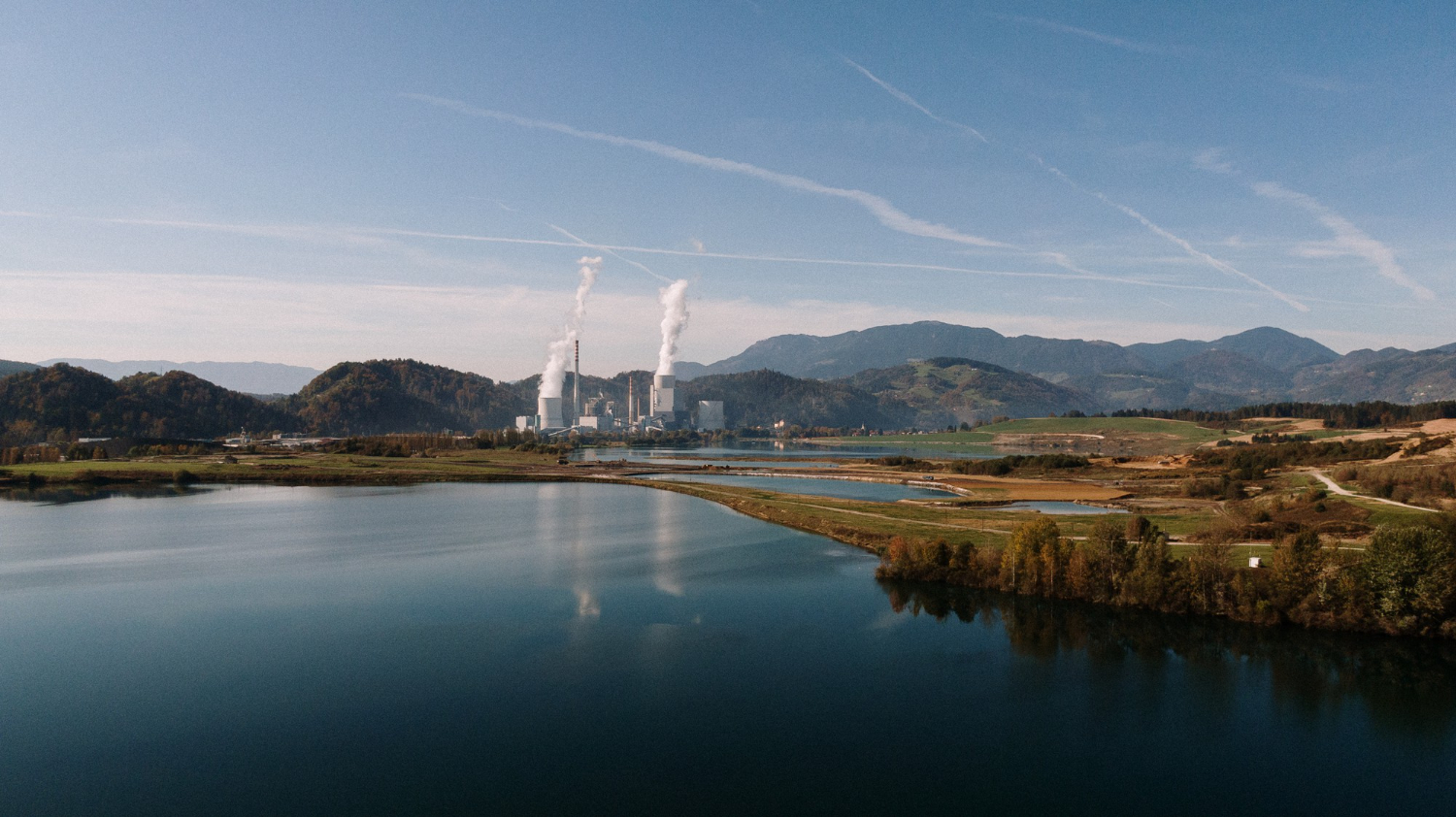
The power comes from Cape Station in southwest Utah, and it isn't expected online until 2028. On top of the firm 396 MW, Google holds an option to expand its offtake by roughly 600 MW by June 2030, which would bring the total to nearly 1 gigawatt.
But read the rest of the announcement. Google committed to the electricity. It did not commit to the data center.
Why a hyperscaler is buying rock
Enhanced geothermal means drilling into hot dry rock and fracturing it to build a reservoir where nature never made one. That puts geothermal in play outside the handful of places with natural hot springs, and it runs around the clock in a way wind and solar can't.
That's the whole pitch to an AI buyer. Data centers need firm power, and they need it without sitting in an interconnection queue for a decade.
Google has been working up to this in steps. Project Red, the Nevada pilot, came online in 2023. A 115 MW Nevada agreement followed in June 2024. Now 396 MW with an option on 600 more.
Each deal has been several times the size of the last, and Google is also an equity holder from Fervo's pre-IPO round. This is a customer buying deeper into a supplier it already owns a piece of.
Where the risk actually sits
Make no mistake: this is not an operating business yet.
Fervo booked $113,000 in revenue last quarter against a net loss of $55.9 million, and it has guided to $850 to $900 million of capital spending in the second half of 2026 alone. The contract pays nothing until electrons move in 2028.
The company can fund that for now. It ended June with roughly $2.11 billion in cash after raising about $1.9 billion in the IPO. But drilling consumes that balance, and Cape Station's second phase requires building eight 50 MW GeoBlocks on schedule and at a falling cost per well. A GeoBlock is Fervo's standardized drilling module, the unit it copies rather than redesigns. Two of the smaller first-phase blocks have reached mechanical completion.
To be sure, the 52-week high on this stock is $42.65, and a record-setting contract with the most credible buyer in the industry only got it back to $19.75. The market isn't questioning demand for the power. It's questioning whether Cape Station gets drilled on time and on budget.
If you're following this one, watch four things:
* Whether Google exercises the 600 MW option before June 2030
* Cost per well as Phase II drilling scales
* Utah's SB132 approvals for selling power straight to the data center
* Cash burn against the 2028 revenue date
The contract isn't the milestone that reprices the stock. The first GeoBlock that comes in on schedule and under budget is. Google just made it worth waiting to find out.

Publication Date
September 4, 2026
Category
Energy

Jeff Siegel
Senior Content Contributor